Choosing the Right Instrument: Piano, Guitar, Voice, or Drums?
Starting music lessons is an exciting step but choosing the right instrument can feel overwhelming, especially for beginners or parents guiding their children. Piano, guitar, voice, and drums each offer unique benefits, learning styles, and creative opportunities. So how do you decide which one is the best fit?
At Back to Basics Music Academy, we’ve guided students of all ages through this exact decision for more than 25 years. Whether you’re enrolling a child in their first music lessons or beginning your own musical journey, choosing the right instrument can set the tone for confidence, enjoyment, and long-term success.
In this guide, we’ll walk through how to choose a musical instrument based on personality, learning style, goals, and age so you can start your beginner music lessons with clarity and excitement.
Why Choosing the Right Instrument Matters
Music should feel inspiring, not intimidating. When students connect with their instrument, practice becomes enjoyable and progress comes naturally.
A Good Fit Builds Confidence
The right instrument:
- Matches a student’s interests and personality
- Encourages consistent practice
- Reduces frustration for beginners
This is especially important for music lessons for kids, where early experiences shape long-term attitudes toward learning.
There’s No “Wrong” Choice, Only the Right Starting Point
Many musicians eventually learn multiple instruments. Choosing the right one now simply helps students build strong fundamentals and a love for music.
Key Factors to Consider Before Choosing an Instrument
Before comparing piano, guitar, voice, or drums, it helps to look inward.
Age and Physical Readiness
Some instruments are more accessible depending on:
- Hand size
- Coordination level
- Lung capacity
- Physical stamina
Young beginners can succeed on many instruments with proper instruction.
Personality and Learning Style
Ask questions like:
- Does the student enjoy structure or freedom?
- Do they prefer solo work or collaboration?
- Are they expressive, analytical, energetic, or reflective?
Music learning is deeply personal.
Musical Goals
Is the goal to:
- Build a strong foundation?
- Perform in church or community settings?
- Play in a band?
- Sing confidently?
Goals help guide the best starting instrument.
Piano: The Foundation Builder
Piano is often recommended for beginners and for good reason.
Why Piano Is Great for Beginner Music Lessons
Piano teaches:
- Music reading (treble and bass clef)
- Rhythm and timing
- Hand independence
- Music theory fundamentals
Keys are laid out visually, making it easier to understand how music works.
Who Piano Is Best For
Piano is a strong choice for:
- Kids just starting music lessons
- Visual learners
- Students who enjoy structure
- Future composers or songwriters
It’s also an excellent foundation for learning other instruments later.
Practical Considerations
Requires access to a piano or keyboard
Practice space should be quiet and consistent
Guitar: Creative, Portable, and Popular
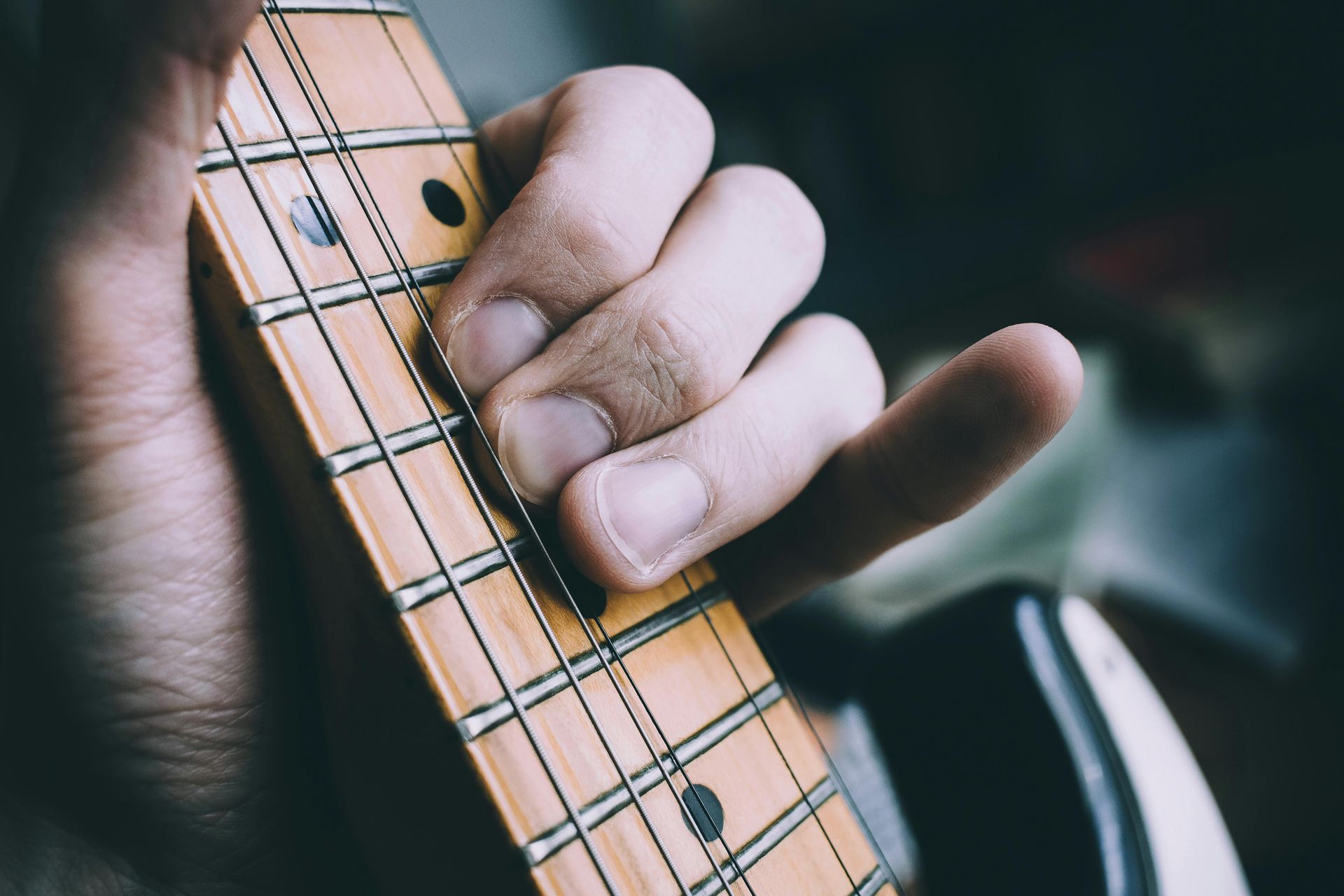
Guitar is one of the most popular instruments for beginners of all ages.
Why Students Love Guitar
Guitar offers:
- Quick wins with simple chords
- Portability and flexibility
- Opportunities to play solo or with others
It’s often associated with songwriting, worship music, and band settings.
Who Guitar Is Best For
Guitar works well for:
- Teens and adults
- Students who enjoy singing along
- Creative, expressive personalities
Those drawn to contemporary or worship music
Acoustic vs. Electric Guitar
An acoustic guitar is great for beginners and foundational skills.
An electric guitar appeals to students interested in rock or modern styles.
An instructor can help guide the best choice.
Voice: The Instrument You Already Own
Voice is the most personal instrument and one of the most powerful.
Why Voice Is Ideal for Beginners
Voice lessons focus on:
- Breath control
- Pitch accuracy
- Confidence and expression
- Healthy vocal technique
There’s no need to purchase an instrument, making it accessible and immediate.
Who Voice Lessons Are Best For
Voice is ideal for:
- Students who love singing
- Kids who express themselves verbally
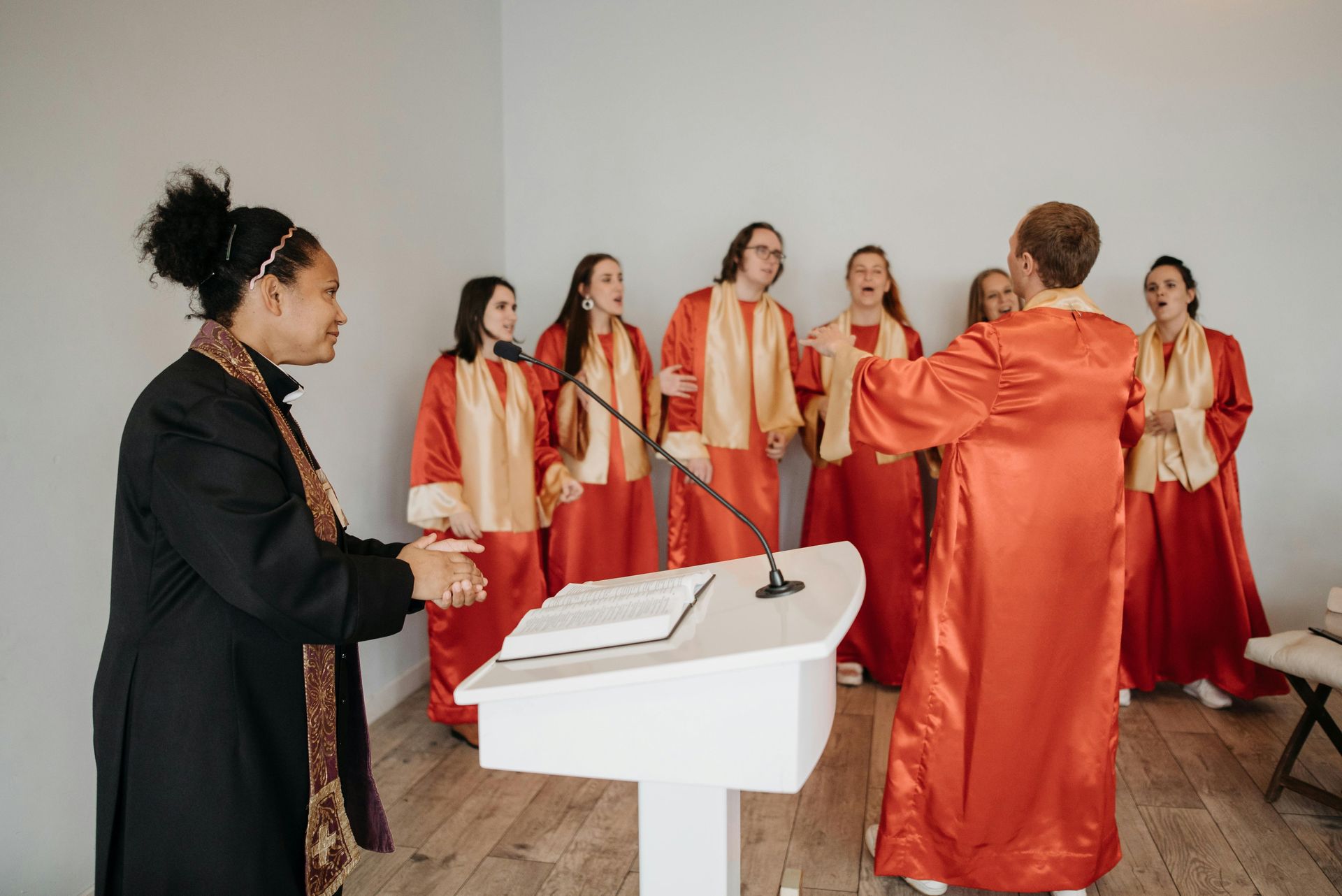
- Worship team members
Students seeking confidence and stage presence
Addressing Common Myths
You don’t need to be “born with talent” to take voice lessons. Technique, practice, and guidance make all the difference.
Drums: Energy, Rhythm, and Coordination
Drums bring excitement, movement, and teamwork into music learning.
Why Drums Are Great for Certain Learners
Drumming develops:
- Rhythm and timing
- Coordination and focus
- Listening skills
- Physical engagement
It’s especially engaging for high-energy students.
Who Drums Are Best For
Drums are a great fit for:
- Active learners
- Kids who love movement
- Students drawn to bands or group music
- Those with strong rhythmic instincts
- Practical Considerations
- Requires space and noise management
Practice pads or electronic kits can help at home.
Choosing the Right Instrument for Kids
When it comes to music lessons for kids, the decision should balance structure and joy.
Let Interest Lead the Way
Kids are more likely to practice when they feel excited about their instrument. If they’re drawn to drums or guitar, that enthusiasm matters.
Start With Fundamentals
Piano and voice are often recommended for younger children because they:
- Build strong musical foundations
- Develop listening and pitch skills
- Require less physical strain
That said, every child is unique.
Trial Lessons Help
Trying a lesson or two can reveal:
- Natural interest
- Comfort level
- Learning style
There’s no pressure to get it perfect the first time.
Can You Switch Instruments Later?
Absolutely, and many students do.
Skills Transfer Across Instruments
Music skills like:
- Rhythm
- Ear training
- Music reading
Carry over from one instrument to another.
Starting Somewhere Is Better Than Waiting
It’s better to begin learning music now than wait for the “perfect” choice. Progress builds confidence, and confidence opens doors.
How Instructors Help Guide the Decision
At Back to Basics Music Academy, choosing an instrument is a collaborative process.
Personalized Guidance
Our instructors consider:
- Age and experience
- Personality and goals
- Learning pace and preferences
This personalised approach helps students feel supported from day one.
Faith-Based, Encouraging Environment
Learning music in a positive, values-driven setting helps students grow not just musically, but personally.
Practical Tips for Getting Started
Start Simple
You don’t need the most expensive instrument. Quality beginner options are more than enough.
Create a Practice Routine
Short, consistent practice sessions build habits and confidence, especially for beginners.
Celebrate Progress
Every new note, chord, or rhythm is a win. Encouragement goes a long way.
Music Is More Than an Instrument
Learning music builds:
- Discipline and focus
- Creativity and expression
- Confidence and perseverance
The right instrument is simply the doorway.
Why Back to Basics Music Academy Is the Right Place to Begin
With over 25 years of experience, Back to Basics Music Academy offers:
- Private, personalised instruction
- Lessons for kids, teens, and adults
- Piano, guitar, voice, drums, and more
A supportive, faith-based learning environment
We help students discover not just how to play but why music matters.
The Best Instrument Is the One You’ll Love Playing
Choosing a musical instrument doesn’t have to be stressful. Piano, guitar, voice, and drums all offer unique paths into music and each can lead to a lifetime of creativity and joy.
The best choice is the one that excites the student, fits their learning style, and encourages them to keep coming back. With the right guidance and encouragement, any instrument can be the beginning of something beautiful.
At Back to Basics Music Academy, we’re here to help you choose confidently and start strong.