How Christian Music Education Shapes Character and Confidence
Music has always played a powerful role in faith, worship, and personal growth. From ancient psalms to modern worship songs, music has helped believers express devotion, reflect on values, and connect deeply with God. But beyond musical skill, Christian music education offers something even more meaningful, it helps shape character, confidence, and a strong sense of purpose.
For students of all ages, Christian music lessons provide more than technical training. They nurture discipline, humility, leadership, and self-expression within a faith-centered environment. At
Back to Basics Music, faith-based music education is designed to develop both musical ability and the person behind the instrument.
In this article, we’ll explore how Christian music education builds character, strengthens confidence, and prepares students for service through worship, performance, and music ministry.
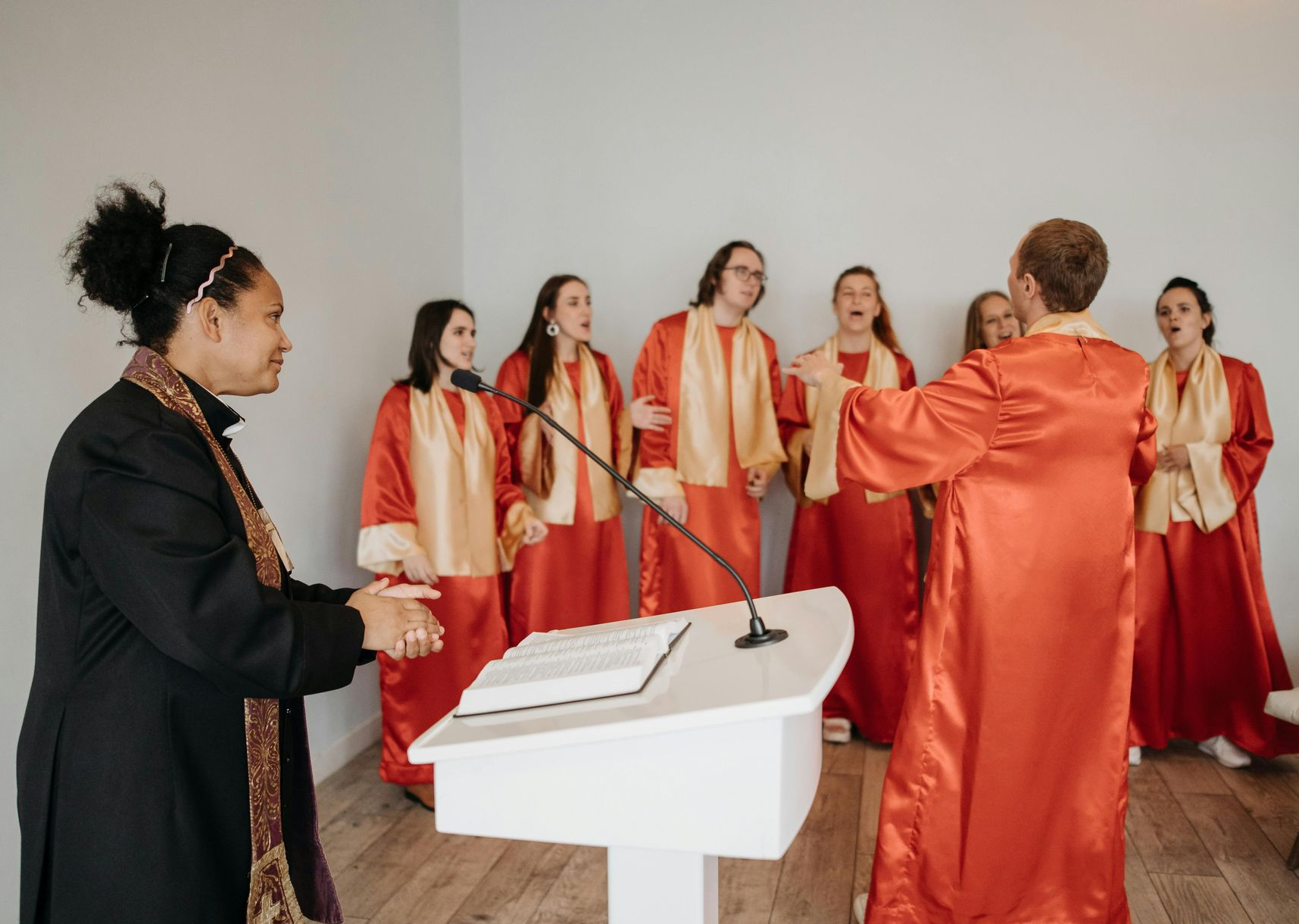
What Is Christian Music Education?
Christian music education combines musical instruction with faith-based values. While students learn essential music skills, they are also encouraged to grow spiritually, emotionally, and ethically.
More Than Just Music Skills
Faith-based music education emphasizes:
- Musical excellence rooted in purpose
- Personal growth alongside technical development
- Using talents to serve others
- Worship as an expression of fait
This holistic approach makes Christian music lessons unique and deeply impactful.
The Role of Music in Faith and Worship
Music has long been central to Christian worship and community life.
Music as an Act of Worship
Worship music is not about performance, it’s about devotion.
Worship music training helps students understand that:
- Music can be an offering to God
- Skill development honors the gift God has given
- Preparation reflects stewardship and gratitude
This perspective instills humility and responsibility in young musicians.
Music as a Tool for Connection
Music connects believers:
- To scripture and spiritual messages
- To one another in communal worship
- To emotions that words alone cannot express
Students learn that their musical gifts have the power to uplift and inspire others.
How Christian Music Lessons Shape Character
Character development is one of the most valuable outcomes of faith-based music education.
Discipline and Commitment
Learning music requires practice, patience, and perseverance.
Christian music lessons teach students to:
- Show up consistently
- Practice with intention
- Work through challenges
- Take responsibility for growth
These habits extend beyond music into academics, work, and relationships.
Humility and Servanthood
In a faith-based setting, students learn that talent is not about recognition, it’s about service.
Worship music training reinforces:
- Playing with a servant’s heart
- Supporting others rather than seeking attention
- Valuing teamwork over individual spotlight
These lessons foster humility and compassion.
Integrity and Accountability
Music ministry often involves leadership roles within churches and communities.
Students learn:
- The importance of preparation
- Respect for commitments
- Accountability to others
These values build trust and reliability, they are the essential traits for lifelong success.
Building Confidence Through Faith-Based Music Education
Confidence grows naturally when students are supported, encouraged, and guided.
A Safe Environment to Learn and Grow
Christian music education provides a nurturing environment where students can:
- Make mistakes without fear
- Ask questions openly
- Grow at their own pace
This sense of safety allows confidence to develop organically.
Performance With Purpose
Performing worship music differs from traditional performance.
Students gain confidence by:
- Leading worship in supportive settings
- Sharing music that reflects faith
- Understanding that mistakes don’t define their worth
This purpose-driven approach reduces performance anxiety and builds inner confidence.
Encouragement Rooted in Faith
Instructors often emphasize encouragement over pressure.
Students are reminded that:
- Progress matters more than perfection
- Growth is a journey
- God values effort and intention
This mindset empowers students to believe in themselves.
The Impact of Worship Music Training on Young Musicians
Worship music training prepares students to serve effectively in churches and ministries.
Developing Musical Excellence for Ministry
Students learn:
- Proper technique and musical foundations
- How to play or sing with a worship team
- Listening and collaboration skills
Strong musical foundations help students serve confidently and competently.
Leadership Development Through Music Ministry
Music ministry naturally builds leadership skills.
Students learn to:
- Follow direction from worship leaders
- Lead sections or songs when appropriate
- Support the congregation through music
These experiences develop confidence, responsibility, and maturity.
Faith-Based Music Education and Emotional Growth
Music is a powerful emotional outlet.
Expression and Emotional Awareness
Christian music lessons help students:
- Express emotions through music
- Reflect on lyrics and scripture
- Develop emotional intelligence
This emotional awareness supports mental and spiritual well-being.
Overcoming Fear and Self-Doubt
Faith-centered instruction encourages students to:
- Trust God with their abilities
- Overcome fear of judgment
- Replace self-doubt with purpose
Confidence rooted in faith is more resilient than confidence based on performance alone.
Practical Tips for Students and Parents
If you’re considering Christian music lessons, here are a few ways to maximize the experience.
Choose the Right Learning Environment
Look for programs that:
- Balance musical excellence with faith values
- Encourage spiritual growth
- Provide supportive instruction
Programs like those at Back to Basics Music focus on both skill and character.
Encourage Consistent Practice With Purpose
Remind students that practice is:
- A form of stewardship
- An opportunity to grow discipline
- A way to honor their gifts
Consistency builds both skill and confidence.
Connect Music Learning to Worship Opportunities
Encourage students to:
- Participate in church worship teams
- Perform at faith-based events
- Use music in service opportunities
Real-world application reinforces purpose and confidence.
How Christian Music Education Prepares Students for Life
The benefits of faith-based music education extend far beyond music.
Transferable Life Skills
Students develop:
- Communication skills
- Time management
- Emotional resilience
- Leadership abilities
These skills support success in school, careers, and relationships.
A Strong Moral Foundation
Christian music lessons reinforce values such as:
- Respect
- Responsibility
- Compassion
- Faithfulness
These principles guide students throughout life.
Common Myths About Christian Music Education
Myth 1: It’s Only for Church Musicians
Reality: Faith-based music education benefits anyone seeking growth in skill and character.
Myth 2: It’s Less Rigorous Than Traditional Training
Reality: Many programs emphasize strong musical fundamentals alongside faith values.
Myth 3: It Limits Musical Creativity
Reality: Understanding worship and faith often deepens musical expression.
The Role of Instructors in Faith-Based Music Education
Teachers play a critical role in shaping both musicians and individuals.
Mentorship Beyond Music
Instructors often serve as:
- Role models
- Mentors
- Encouragers
Their guidance helps students navigate both musical and personal challenges.
Growing Musicians With Purpose and Confidence
Christian music education offers something truly special, it develops musical skill while shaping character, confidence, and faith. Through Christian music lessons, worship music training, and faith-based music education, students learn that their talents have purpose beyond performance.
At Back to Basics Music, music education is about more than notes and technique. It’s about nurturing confident, disciplined, and faith-filled individuals who can use their gifts in music ministry and beyond.
Whether a student dreams of leading worship, serving their church, or simply growing through music, faith-centered instruction provides a foundation that lasts a lifetime building not only better musicians, but stronger individuals grounded in purpose and confidence.